When the temperature drops across Oak Lawn and the south suburbs, most homeowners notice the same thing: the living room is comfortable, but the back bedroom, the room over the garage or the finished basement never seems to catch up. It is tempting to blame the furnace, but in many homes the real issue is the ductwork that carries warm air from the furnace to each room.
Here is how ductwork causes cold spots, what you can safely check on your own, and when it makes sense to have a professional take a look.
Why One Room Stays Colder Than the Rest
Your furnace heats air, but the ducts decide where that air ends up. If a duct run is too small, too long, crushed or leaking, the room at the end of it gets less warm air than it needs, even when the furnace is working exactly as it should.
This is especially common in older homes around Chicago, Burbank and Chicago Ridge. Many of those houses still have original duct runs that were never designed for today's higher-efficiency furnaces, or for the basement finishes and additions that came later.
Common Ductwork Problems Behind Cold Spots
- Leaky joints and seams. Gaps where duct sections meet let heated air escape into attics, crawl spaces and wall cavities instead of reaching your rooms.
- Disconnected or crushed ducts. A section that has come loose or a flex duct that has been stepped on or pinched can cut airflow to a room dramatically.
- Undersized duct runs. A room added over the garage or a finished basement is often tied into existing ducts that were never sized to carry the extra load.
- Uninsulated ducts in cold spaces. Ducts that pass through an unheated attic or crawl space lose heat along the way, so the air arrives lukewarm.
- Poor return airflow. A room needs a path for air to return to the furnace. Without enough return airflow, warm air struggles to move into the space.
What You Can Check Yourself
Before you call, a few quick checks can rule out the simple causes:
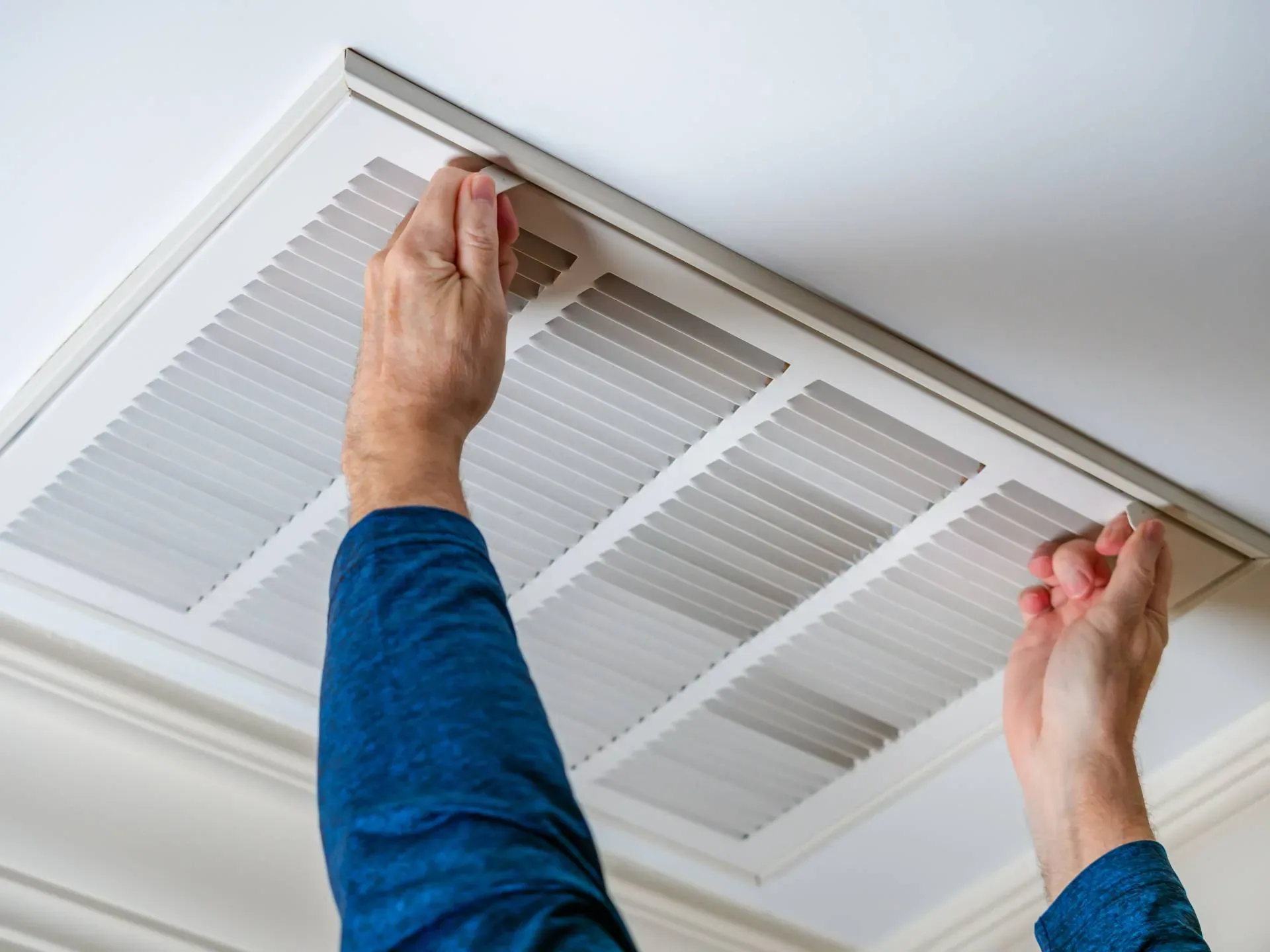
- Open every supply register. Make sure the vents in the cold room are fully open and not blocked by furniture, rugs or curtains.
- Clear the return vents. Keep return grilles free of obstructions so air can circulate back to the furnace.
- Replace the furnace filter. A clogged filter restricts airflow to the whole house, and the rooms farthest from the furnace feel it first.
- Look at any ducts you can see. In an unfinished basement or accessible attic, look for sections that are loose, crushed or visibly gapped.
If the room is still cold after these checks, the problem is likely inside the duct system itself.
Other Signs Your Ductwork Needs Attention
Cold spots often show up alongside other symptoms. Watch for:
- Rising energy bills without a change in how you use your heat
- More dust than usual around vents
- A musty smell when the system runs
- Rattling, whistling or banging noises from the duct runs
- Ducts that are original to a home built before 1980
How a Professional Duct Assessment Helps
Ductwork problems tend to hide inside walls, attics and crawl spaces, so an inspection is the most reliable way to find them. At Top Comfort Heating & Air Conditioning, we size duct systems using Manual D calculations rather than guesswork, seal joints with mastic or foil tape, insulate runs that pass through unconditioned spaces, and test airflow at each register so every room reaches its target temperature.
Sometimes a repair or resealing is enough. Other times, especially in older homes or after an addition, new ductwork is the better long-term fix. An inspection tells you which one makes sense for your home.
Get Every Room Warm This Winter
If a room in your Oak Lawn, Alsip, Bridgeview or Tinley Park home never seems to warm up, we can help you find out why. Learn more about our ductwork installation service, schedule a ductwork assessment, or call us at (708) 800-3400.